
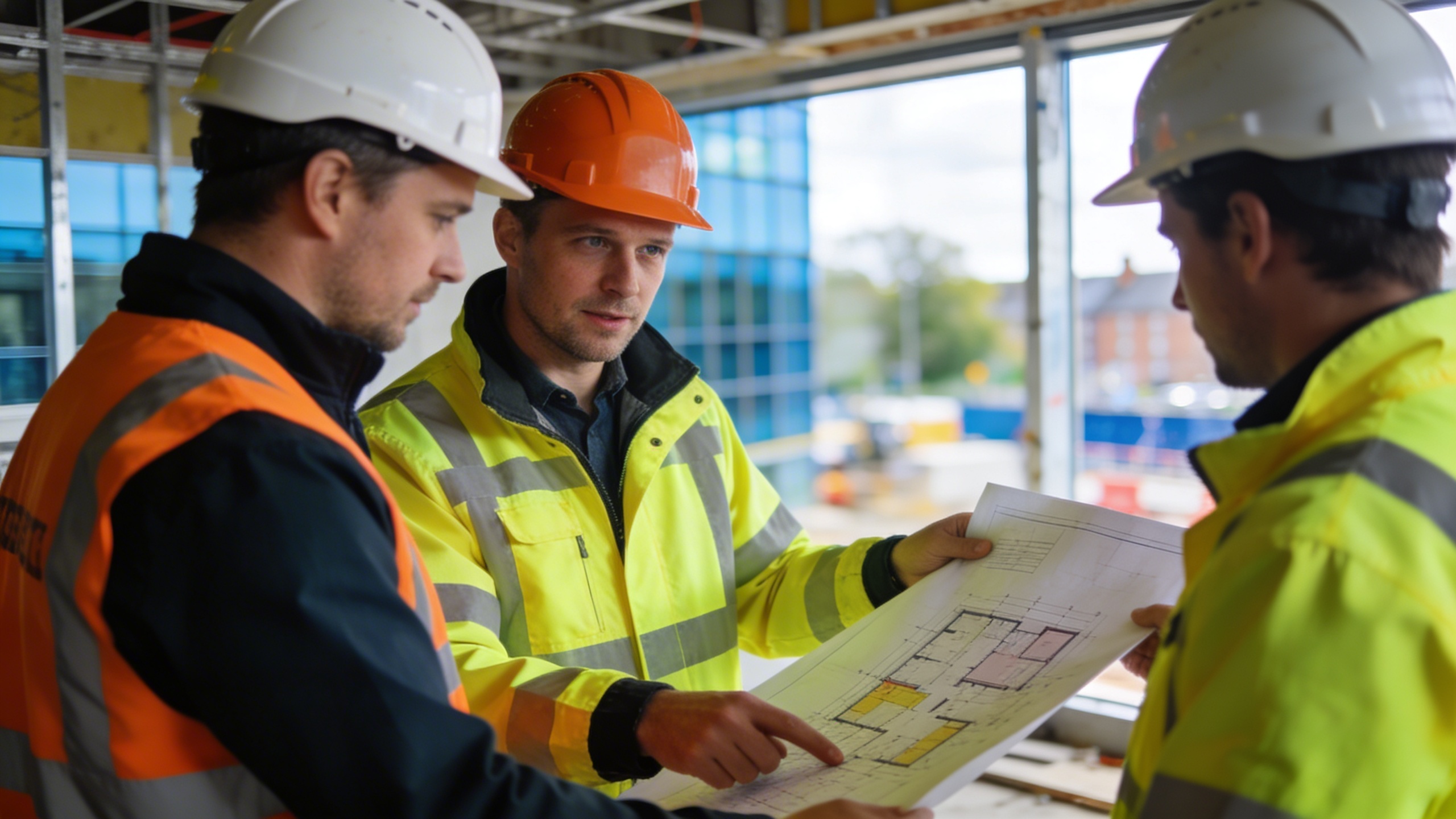
Commercial Construction PlanningBest Practices
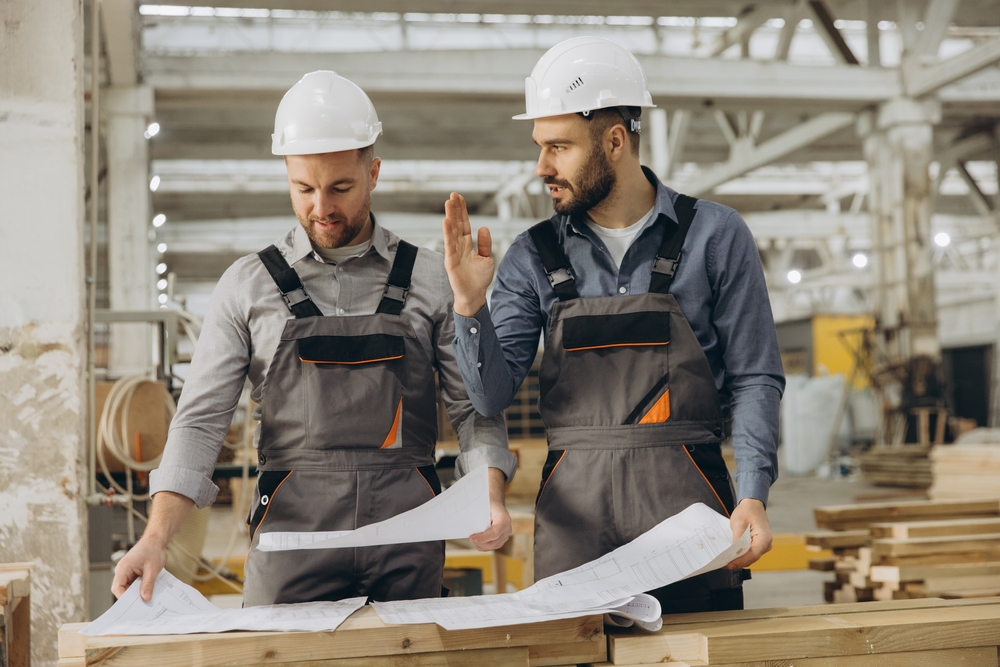
Innovative Trends in Commercial Building Design
Commercial building design continues to evolve as businesses look for spaces that are more flexible, efficient, and focused on the needs of occupants. Modern projects are moving beyond traditional layouts by incorporating innovative strategies that improve functionality, enhance user experiences, and support long-term value.
Trends such as biophilic design, adaptable spaces, smart building technology, modular construction, and mixed-use development are shaping the future of commercial construction. These approaches help create healthier environments, improve energy efficiency, reduce waste, and allow buildings to adapt as business needs change over time.
By integrating new design concepts during the planning and construction process, commercial buildings can provide greater flexibility, improved performance, and lasting benefits for owners, tenants, and communities.
Leveraging Technology for Efficient Construction Services
Technology is changing the way commercial construction projects are planned, managed, and completed. Tools like Building Information Modeling (BIM), drones, virtual reality, and data analytics help improve communication, reduce delays, and increase overall project efficiency. By using modern construction technology, teams can make better decisions, improve accuracy, and create more successful project outcomes.
BIM allows teams to create detailed digital models that improve planning, collaboration, and problem-solving before construction begins. Drones provide real-time site information and progress updates, helping project managers monitor work more efficiently. Virtual reality gives clients and teams the ability to review designs before construction, while data analytics helps optimize budgets, materials, and timelines. Automation and advanced machinery also improve jobsite safety and productivity by completing tasks with greater speed and precision.
Commercial Construction Planning for Successful Building Projects
Effective commercial construction planning provides the foundation for successful projects by improving coordination, managing costs, and reducing potential challenges throughout the building process. From site analysis and budgeting to sustainable practices and innovative technology, thoughtful planning helps create efficient, functional, and long-lasting commercial spaces.
As a commercial construction and engineering company, we understand the importance of strategic planning from the earliest stages of a project. With expertise in engineering solutions, project coordination, and construction support, our team helps clients navigate complex building requirements and deliver successful outcomes.
Ready to start planning your next commercial construction project? Request a quote today to discuss your project needs and explore how our team can help bring your vision to life through expert construction and engineering services.
On this page
- Essential Steps In Planning A Successful Commercial Build
- Sustainable Building Practices In Commercial Construction
- Innovative Trends In Commercial Building Design
- Leveraging Technology For Efficient Construction Services
- Commercial Construction Planning for Successful Building Projects
- Frequently Asked Questions
FAQ
Frequently Asked Questions.
What does commercial construction mean?
Commercial construction involves building projects designed for business activities. This might include everything from office buildings and retail centers to hotels and warehouses. Essentially, it’s any construction project that isn’t residential. These structures are built to accommodate business operations and often require specialized design and construction techniques to meet specific industry needs and regulations.
What is the meaning of a commercial building?
A commercial building is a structure used for business activities or services. This includes spaces like offices, stores, warehouses, and hotels. Unlike residential buildings, which are designed for living, commercial buildings are crafted to support various business functions, often with specific layouts and amenities tailored to the type of business they host.
What is included in commercial construction planning?
Commercial construction planning encompasses a range of activities, including site analysis, budgeting, design, and scheduling. It involves coordinating with architects, engineers, and contractors to ensure the project meets all regulatory requirements and client specifications. Effective planning also considers logistics, material procurement, and risk management, aiming to deliver a project on time and within budget.
How long does the commercial construction planning process take?
The timeline for commercial construction planning varies depending on the size, complexity, and requirements of the project. Smaller projects may move through the planning phase in a few months, while larger developments can require significantly more time for design, approvals, and coordination. Factors such as permitting, site conditions, and stakeholder decisions can also impact the schedule. Proper planning helps create a more predictable construction timeline and reduces unexpected delays.
Why is planning important for a commercial construction project?
Commercial construction planning provides a clear roadmap for managing every stage of the project. It helps teams identify potential challenges, establish realistic budgets, and coordinate the work of different professionals involved in the build. Strong planning improves communication, reduces costly mistakes, and helps ensure the finished project meets performance and business objectives.

More from Insights
Related Insights.
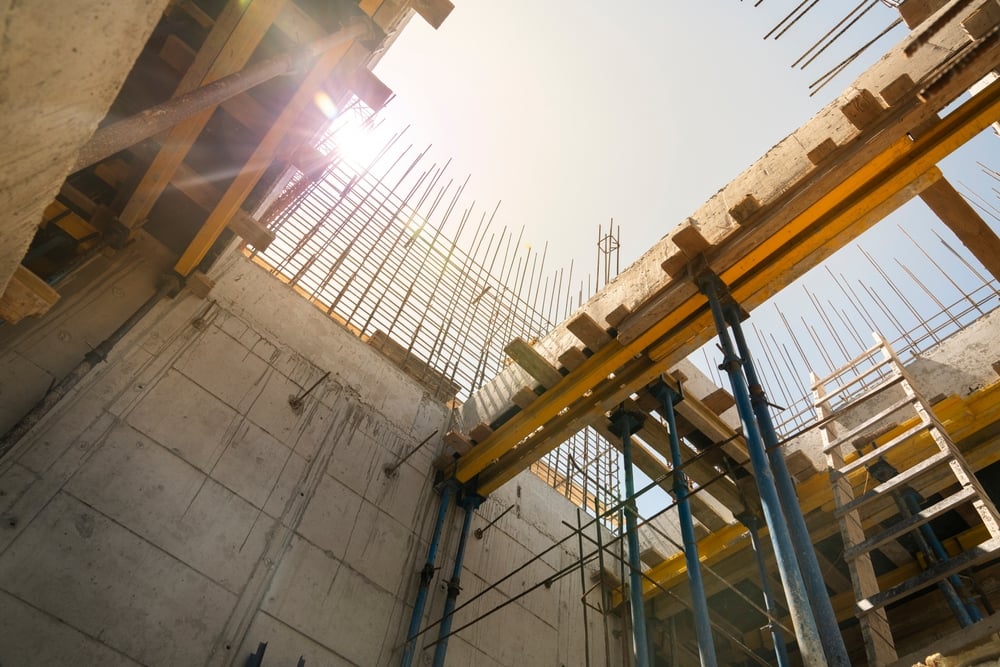
5 Signs You Need a Structural Engineer
Planning a big project or living in an older building? A structural engineer can help you avoid costly problems. Maybe you’re about to…
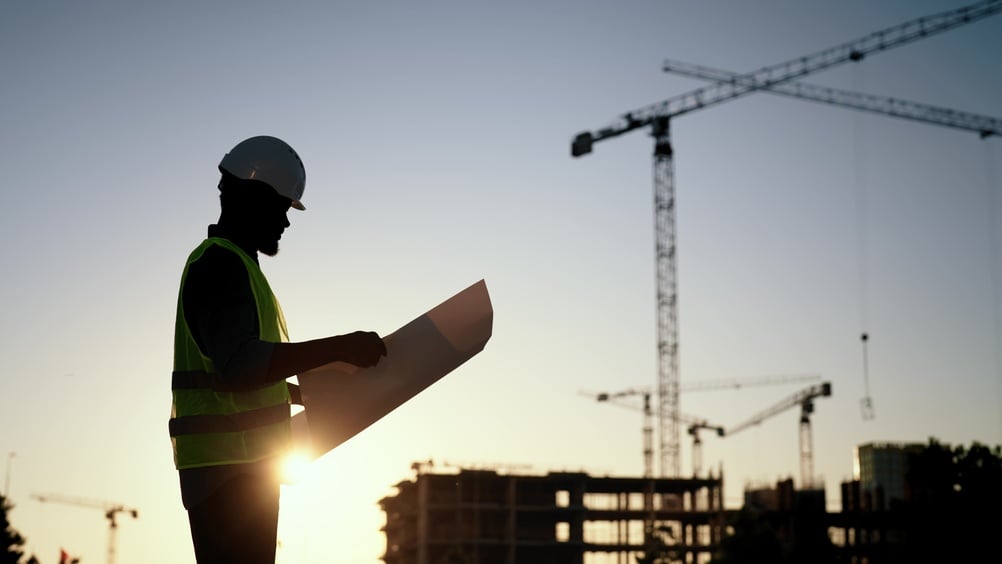
A Guide to Structural Engineering
Structural engineering decisions can affect nearly every stage of a development project. From foundation requirements and material…
Scoping a commercial project?
Get engineering and construction from one Texas firm.
ENGCO delivers civil engineering, structural engineering, and construction under one firm for Texas commercial, industrial, multifamily, and municipal projects. The integrated model is the structural reason our commercial projects run on schedule. Talk to our commercial team about your project scope and timeline.