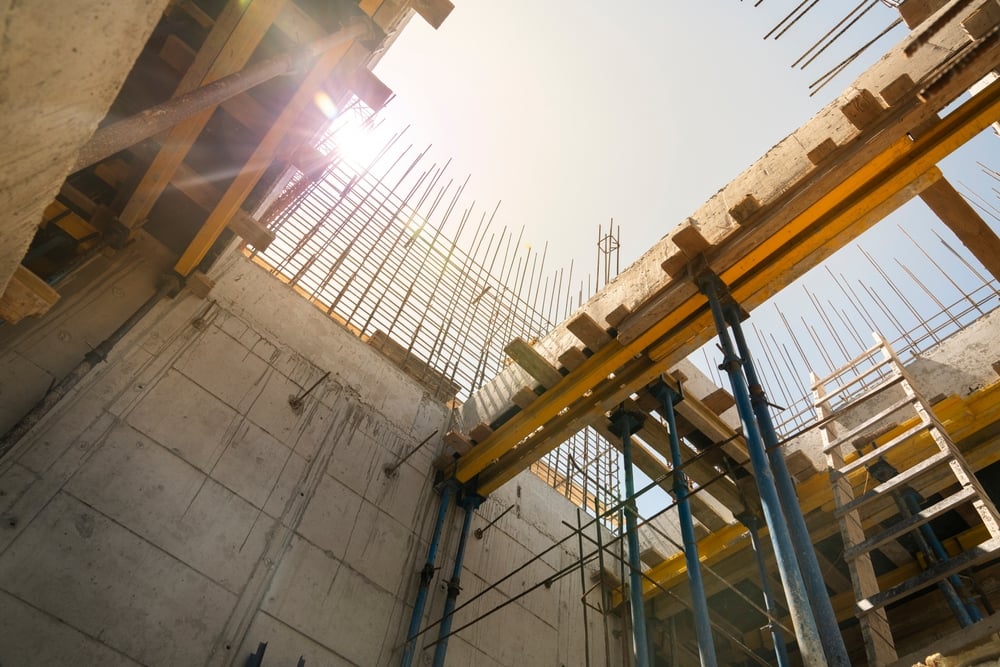
Industrial construction management plays an important role in planning and completing large construction projects. It involves coordinating workers, materials, equipment, schedules, budgets, and safety requirements to keep projects on track. Effective management helps construction teams work efficiently, control costs, maintain safety, and complete projects successfully.
Key Takeaways
- Industrial construction management helps keep complex projects organized and on track
- It helps teams follow safety standards and regulations
- Construction managers coordinate teams, resources, schedules, and budgets to reduce delays and costs
- Good management supports economic growth and development
- Knowing the difference between industrial and commercial construction helps with effective project management
Understanding Industrial Construction and Its Importance
Industrial construction management helps large projects stay organized, safe, and on schedule. Projects such as factories, power plants, and refineries involve many workers, materials, and pieces of equipment, so careful planning and coordination are important.
Construction managers oversee teams, resources, schedules, and budgets throughout the project. Good management can help reduce delays, control costs, and make sure the project follows safety and industry requirements.
Industrial construction also supports local and national economies by creating jobs and supporting business growth. Completing projects on time and within budget helps businesses start operations sooner and use their facilities as planned.
At ENGCO, we provide engineering and construction services that support industrial projects from planning through completion. Our team helps coordinate the technical and project needs required to keep industrial construction projects moving forward.
Key Differences Between Industrial and Commercial Construction
Industrial and commercial construction both involve planning, design, and building, but they have different goals and requirements. Industrial projects are often larger, more technical, and built for specific operations such as manufacturing, energy production, or processing. Understanding these differences helps project teams plan properly and manage costs, safety, timelines, and resources.
| Industrial Construction | Commercial Construction |
| Built for manufacturing, energy, processing, and other industrial operations | Built for offices, stores, restaurants, and other businesses |
| Often involves large and complex facilities | Usually involves less complex building systems |
| Requires specialized equipment and technical systems | Uses more standard building systems and equipment |
| Focuses on function, production, and efficiency | Often focuses on function, appearance, and customer use |
| Must follow strict safety and environmental requirements | Must follow building, safety, and accessibility codes |
| Requires specialized engineering and technical knowledge | Typically uses more standard design and engineering methods |
| Projects may take several years to complete | Projects are often completed in shorter timeframes |
| Requires careful planning for complex processes and equipment | Planning often focuses on building layout, finishes, and general operations |
Essential Skills for Effective Construction Management
At ENGCO, we understand that successful industrial construction takes more than building experience. It requires strong planning, technical knowledge, and communication to keep complex projects safe, on schedule, and within budget. Some of the key skills we use in industrial construction include:
- Leadership and communication: We keep teams, contractors, engineers, and clients informed and working toward the same goals
- Problem-solving: We address delays, material issues, and other project challenges quickly
- Project management: We track schedules, budgets, tasks, and project progress
- Safety and compliance: We follow construction, safety, and environmental requirements
- Budget management: We help control project costs and use resources efficiently
- Technical knowledge: We understand the engineering, materials, equipment, and systems needed for industrial projects
- Attention to detail: We carefully monitor project details to maintain quality, safety, and schedule requirements
Risk Management Strategies in the Construction Industry
Risk management helps keep industrial construction projects safe, organized, and on schedule. It starts with identifying possible risks early, including safety concerns, material delays, equipment problems, and unexpected costs. By finding these risks ahead of time, construction teams can create plans to address them before they cause larger problems.
Having backup plans is also important for unexpected events such as severe weather or supply chain delays. A strong focus on safety helps protect workers and reduce accidents that could delay the project. Regular communication with clients, contractors, engineers, and other team members also helps everyone understand potential risks and how they will be handled.
Risks should be reviewed throughout the project because conditions can change. By tracking schedules, costs, safety, and overall progress, construction teams can make adjustments when needed and help keep the project on track.
Best Practices for Managing Large-Scale Industrial Projects
Large industrial projects require careful planning, clear communication, and strong project management. At ENGCO, we use these practices to help keep industrial projects organized, efficient, and on track for completion.
- Plan the project carefully: Set clear goals, schedules, budgets, and resource needs before work begins
- Work with experienced subcontractors: Partner with skilled professionals who understand the specific needs of industrial construction
- Review progress regularly: Check project progress, address issues early, and keep everyone informed
- Use the right technology: Project management software and modern construction tools can help improve organization, accuracy, and efficiency
- Communicate clearly: Keep clients, contractors, engineers, and other team members updated throughout the project
- Solve problems early: Identify potential issues and make informed decisions before they cause major delays or added costs
- Apply experience to complex projects: Our project, Ashley Road Industrial Complex in West Houston, is one example of the industrial work we have completed, highlighting the importance of coordinating engineering and construction needs on large-scale projects
Industrial Construction Management FAQs
What does industrial construction management involve?
Industrial construction management focuses on overseeing large-scale projects like factories, power plants, and refineries. It involves coordinating various teams, ensuring safety standards, and managing budgets and timelines. This role requires a deep understanding of engineering principles and strong leadership skills to successfully deliver complex projects on time and within budget.
What are the main responsibilities of an industrial construction manager?
An industrial construction manager oversees the day-to-day progress of a project. They manage schedules, budgets, workers, contractors, materials, and safety requirements. They also communicate with clients and project teams to make sure the work stays on track.
How is industrial construction different from commercial construction?
Industrial construction is usually more complex and involves specialized equipment, systems, and processes. Projects are often built for manufacturing, energy, processing, or other industrial operations. Commercial construction typically focuses on buildings such as offices, retail spaces, restaurants, and other business facilities.
Why is safety important in industrial construction?
Safety is especially important because industrial projects can involve heavy equipment, complex systems, and potentially hazardous work environments. Construction teams must follow safety procedures and applicable regulations throughout the project. A strong focus on safety helps protect workers and reduce accidents, delays, and other project risks.
How long does an industrial construction project take?
The timeline depends on the size, complexity, and requirements of the project. Large industrial projects can take months or several years to complete because they often involve specialized engineering, equipment, permits, and construction processes. Careful planning and regular progress reviews can help keep the project on schedule.
Industrial Construction Management
Industrial construction management plays an important role in keeping large and complex projects organized, safe, and on schedule. From planning and risk management to coordinating teams and controlling costs, effective management helps projects move forward smoothly.
As an industrial construction company, we provide engineering and construction services for complex industrial projects. Our team works closely with clients to coordinate project needs, manage challenges, and help keep projects on schedule and within budget.
Need support with your next industrial construction project? Contact us to discuss your project and learn how our team can help.