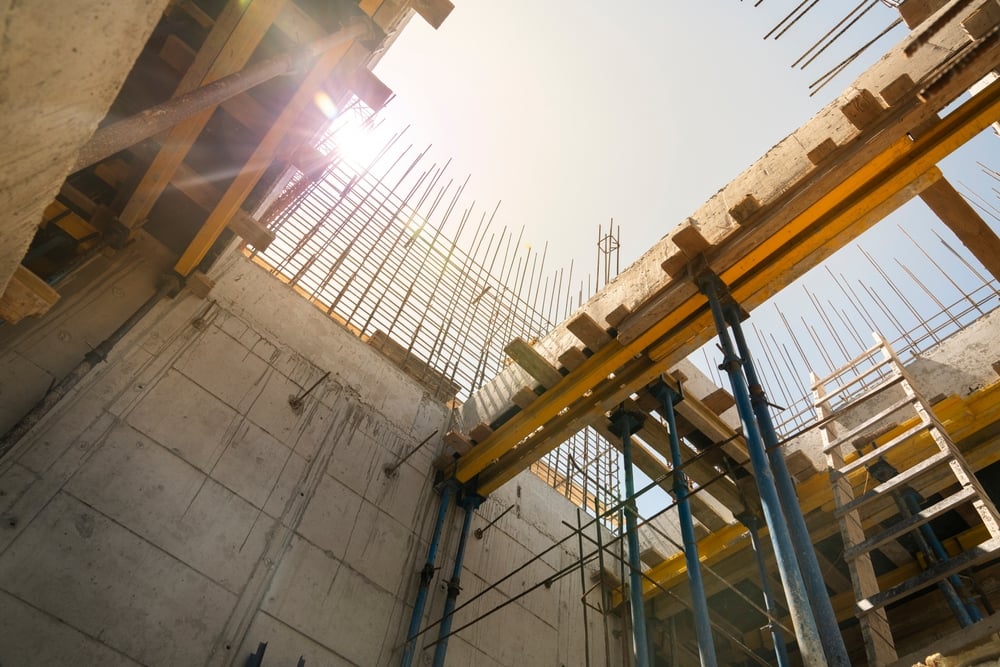

Structural engineering decisions can affect nearly every stage of a development project. From foundation requirements and material selection to constructability and building codes, these decisions help determine how a structure will perform and how efficiently it can move from design into construction.
For owners and developers, understanding the role of structural engineering can make it easier to identify potential challenges early and make informed project decisions.
Key Takeaways
- Structural engineers keep buildings stable and safe
- Core principles include understanding loads, choosing materials, and building in safety margins
- Following safety codes protects occupants and builds public trust
- Good design depends on careful planning and teamwork
- Engineers must balance sustainability and project limits, so they keep learning and adapting
What Structural Engineering Addresses on a Project
Structural engineering focuses on how a building will support its own weight and the forces it will experience throughout its life. Engineers evaluate the structure’s intended use, site conditions, materials, and environmental factors when developing a design.
Several considerations can influence structural decisions:
- Loads: Buildings must account for their own weight, occupants, equipment, stored materials, wind, and other forces.
- Materials: Steel, concrete, timber, and other materials each have different strengths, limitations, and applications.
- Stability: Structural systems need to remain stable under both everyday conditions and more significant forces.
- Foundations: Soil conditions, drainage, and site characteristics can affect how a structure needs to be supported.
- Building codes: Structural designs must meet applicable codes and regulations for the project location and intended use.
Why Constructability Matters
A structurally sound design also needs to work in the field. Constructability considers how the design will actually be built, including access, sequencing, materials, equipment, and site conditions. Considering these factors early can help identify potential conflicts before construction begins. It can also help project teams make adjustments while changes are still easier to manage.
This is particularly important for owners and developers because engineering decisions can influence more than structural performance. They can also affect construction methods, scheduling, material requirements, and overall project coordination.
Key Factors Engineers Consider
Every building has different structural requirements, so engineers evaluate the specific needs and conditions of each project. Factors such as the building’s use, site conditions, materials, and local requirements can all influence structural decisions.
| Factor | What Engineers Consider |
| Building Use | How the building will be used and the types of loads it will need to support. Industrial facilities, warehouses, and offices can have very different requirements. |
| Site Conditions | Soil stability, drainage, weather conditions, and other site characteristics that can affect foundations and structural design. |
| Building Codes | Local building codes and regulations that the structural design must meet. |
| Environmental Forces | Forces such as wind and other conditions that may affect the structure during its service life. |
| Material Selection | The materials best suited to the project’s structural requirements, construction methods, and durability needs. |
How Engineering and Construction Work Together
Structural engineering does not happen in isolation from construction. When the engineering and construction teams communicate throughout a project, field conditions and construction requirements can be considered alongside the design.
ENGCO uses an integrated approach in which its engineers and builders work as one team. This allows engineering decisions to remain connected to constructability as the project moves forward.
The approach also reduces the number of handoffs between separate teams. Instead of engineering being completed independently and then passed to construction, the teams remain involved throughout the project.
The Five-Step Project Process
ENGCO’s project process connects engineering and construction from the initial conversation through completion:
- Discovery: The team reviews the client’s goals, site conditions, budget, and schedule to establish the project’s direction.
- Feasibility: Potential constraints such as permitting, utilities, drainage, access, soil, weather, and local codes are evaluated before design moves too far forward.
- Design: Engineers develop the structural design while considering how the work will be constructed. Structural analysis helps evaluate the design under different conditions.
- Build: Construction teams execute the work while engineers coordinate with field crews and help ensure the work follows the design specifications.
- Walkthrough: The completed project is reviewed and documented before the final handoff.
Real-World Examples of Structural Engineering Projects
Great structural engineering shows up in everyday buildings as well as landmarks. Across Texas, ENGCO’s engineers and crews take projects from civil engineering through foundations and structure, all under one accountable team. Here are some examples from our portfolio:
Ashley Road Industrial Complex (West Houston, TX). We developed four large industrial warehouses on a single site. Our team handled the work from civil engineering and land development through foundations and structural construction.
Neeco Industries Warehouse Complex (Houston, TX). We built four large warehouses for a Houston oil and gas equipment manufacturer. The work ran from land development through full structural construction to meet their industrial storage needs.
Maiden Lane Auto Dealership (South Houston, TX). We self-performed the grading, rebar, and high-volume concrete work for this site. It was engineered to handle heavy loads and last for the long term.
Frequently Asked Questions
When should you hire a structural engineer?
Hiring a structural engineer is essential whenever you’re planning major renovations, building a new structure, or addressing significant structural issues. If you notice cracks in walls, sloping floors, or other structural concerns, it’s wise to consult a structural engineer. They can evaluate the integrity of a building and ensure safety standards are met. Whether it’s for residential or commercial projects, having a professional evaluate the structural aspects can save you time, money, and future headaches.
What does a structural engineering assessment include?
A structural engineering assessment typically involves a thorough inspection of the building to evaluate its stability and safety. The engineer examines the foundation, load-bearing walls, beams, columns, and other critical components. They identify potential issues, assess damage, and recommend solutions. The assessment may also include reviewing design plans, calculating loads, and ensuring compliance with building codes. This comprehensive analysis helps in identifying structural weaknesses and providing guidance for necessary repairs or improvements.
How does structural engineering support construction?
Structural engineering is crucial in construction as it ensures buildings are safe, stable, and durable. Engineers design frameworks that can withstand various forces such as weight, wind, and seismic activity. They work closely with architects and contractors to develop plans that meet safety standards and optimize material use. By calculating loads and stresses, structural engineers provide designs that prevent failures and prolong the lifespan of the structure, contributing to the successful completion of construction projects.
What factors do structural engineers consider in design?
Structural engineers consider several factors during design, including the building’s intended use, location, and environmental conditions. They analyze loads such as weight, wind, and seismic forces to ensure stability. Material selection is crucial, balancing strength, durability, and cost-effectiveness. Engineers also consider aesthetics, sustainability, and compliance with local building codes. By integrating these elements, they create designs that are safe, functional, and efficient, tailored to the specific needs of each project.
What does a structural engineer do?
A structural engineer plays a vital role in designing and evaluating the structural integrity of buildings and other structures. They create detailed designs, calculate loads, and ensure materials and structures can withstand various forces. In addition to design, they conduct assessments to identify structural issues and recommend solutions. Structural engineers collaborate with architects, contractors, and other professionals to ensure projects meet safety standards and are completed successfully. Their expertise is essential for both new constructions and existing structures requiring repairs or modifications.
Why Structural Engineering Matters for Lasting Buildings
Structural engineering keeps buildings and bridges safe by combining sound principles, careful material choices, and strict code compliance. The design process depends on teamwork and planning, and engineers must keep adapting to challenges like sustainability, tight budgets, and aging structures.
As a structural engineering company serving Texas, we bring engineering and construction together under one accountable team. Our in-house engineers and crews take projects from first survey to final walkthrough.
Ready to start your next project with a team that designs it and builds it? Discuss your project with us today, and we’ll connect you with the right engineers for the next step.