Why Site Development Impacts Project Success
How Development Defines Project Outcomes
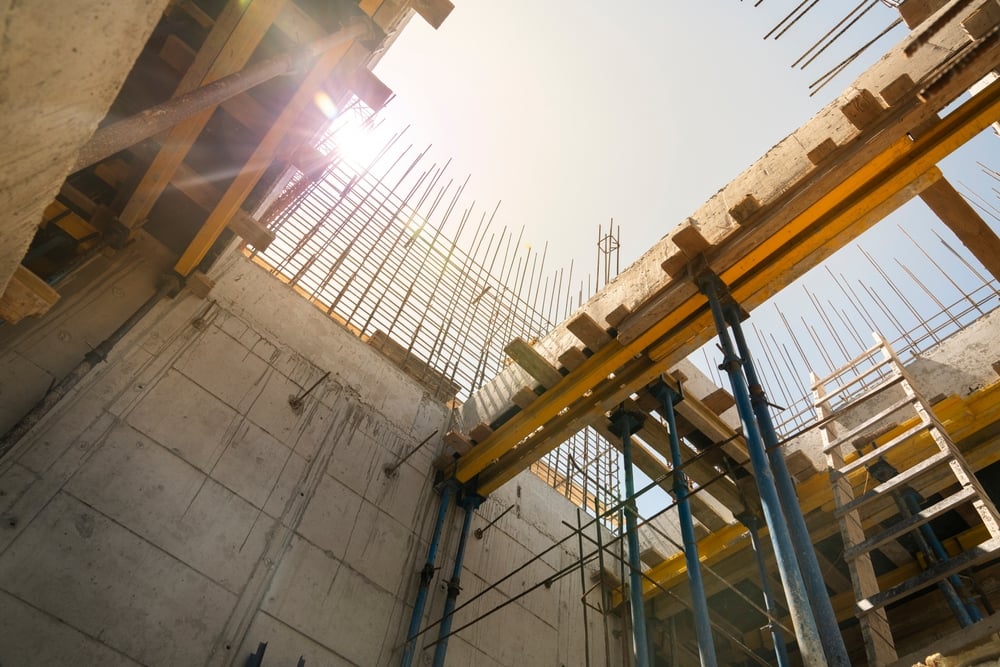
Quality site development has a major impact on the success of a project. Proper planning and preparation can increase property value, improve functionality, and create a stronger foundation for long-term success. Following a clear timeline is also important for keeping costs under control. Delays can increase expenses and slow progress, while effective planning helps projects stay efficient and financially successful.
Sustainable site development practices can improve a project’s reputation and reduce environmental impact. Using responsible methods can make a property more appealing to clients, investors, and the surrounding community. Successful development also improves client satisfaction. A well-planned site that meets expectations can lead to positive reviews, referrals, and future opportunities. Innovative designs can help projects stand out in a competitive market. Incorporating modern ideas and industry trends can create more attractive, functional spaces that provide added value.
The Role of Commercial Construction in Project Success
Commercial construction plays an important role in supporting business growth, creating jobs, and strengthening local communities. Successful projects begin with understanding market needs and creating a plan that meets the goals of the business and property owners. Effective resource management helps keep projects on budget and reduces unnecessary waste. Using materials, labor, and time efficiently improves the overall construction process and supports long-term project success.
Working with experienced contractors is also essential. Reliable construction partners help maintain quality standards, solve challenges quickly, and ensure the project is completed properly. Technology has also improved the commercial construction process. Tools like 3D modeling and digital surveys help improve accuracy, streamline planning, and reduce errors during construction.
Strong planning is the foundation of every successful project. By preparing for potential challenges and creating a detailed strategy, construction teams can deliver projects that are efficient, functional, and built to last.
Best Practices for Managing Construction Projects
Effective construction project management requires careful planning, strong communication, and the ability to adapt throughout the building process. From the initial planning stages to project completion, every decision can impact the timeline, budget, and overall quality of the finished project.
By following proven management strategies, construction teams can reduce delays, improve efficiency, and keep all parties aligned toward the same goals. Key practices for managing successful construction projects include:
- Set clear project goals and expectations
- Create detailed project plans and timelines
- Monitor budgets and control costs
- Track progress and address issues early
- Use quality materials and reliable contractors
- Prioritize safety throughout the project
- Use digital tools to improve organization
- Maintain communication with all stakeholders
- Review project milestones regularly
- Manage resources efficiently
- Document important decisions and updates
- Adapt processes to improve future projects
Why Site Development Is Essential for Project Success
Site development plays a critical role in preparing a property for a successful construction project. From planning and site preparation to managing regulations and infrastructure needs, proper development helps prevent delays, control costs, and create a strong foundation for future growth.
As a site development company, we help property owners and businesses prepare their land for successful construction projects. Through careful planning, experienced solutions, and a commitment to quality, our team supports projects from the early development stages through completion.
Are you ready to prepare your property for a successful construction project? Contact us today to request a consultation and learn how our site development services can support your goals.
On this page
- Understanding the Basics of Site Development
- Key Elements of Effective Site Construction
- How Development Defines Project Outcomes
- The Role of Commercial Construction in Project Success
- Best Practices for Managing Construction Projects
- Why Site Development Is Essential for Project Success
- Frequently Asked Questions
FAQ
Frequently Asked Questions.
What is site development?
Site development refers to the preparatory work needed before construction can begin. It includes tasks like land clearing, grading, and installing utilities. This phase sets the stage for smooth construction, ensuring the site is safe and accessible. Proper site development can prevent delays and unexpected costs, making it crucial for project success. It’s all about creating a solid foundation and infrastructure for the building process.
Why is site development important before construction begins?
Site development is crucial as it ensures the land is ready for construction, minimizing delays and unforeseen issues. Proper groundwork improves safety, accessibility, and efficiency during the building phase. It lays down the necessary infrastructure like utilities and drainage, creating a stable environment. Investing time here can lead to smoother project execution and higher chances of success.
How long does the site development process take?
The timeline for site development depends on factors such as property size, project requirements, permits, and site conditions. Smaller projects may be completed in a shorter timeframe, while larger developments may require more planning and preparation. Weather, environmental considerations, and regulatory approvals can also impact the schedule. A detailed site development plan helps establish realistic timelines and keep the project moving forward.
What factors should be considered during site development planning?
Site development planning should consider zoning requirements, soil conditions, drainage, utilities, environmental impacts, and the overall project design. Evaluating these factors early helps prevent costly changes during construction. Working with experienced professionals ensures the site is prepared properly and meets all requirements. Careful planning creates a stronger foundation for a successful construction project.
Can site development improve the value of a property?
Yes, proper site development can increase a property’s functionality, appeal, and long-term value. A well-prepared site provides better access, improved infrastructure, and a stronger foundation for future construction. Quality development also helps create a more attractive and usable property. By investing in the site early, property owners can support better project outcomes and long-term benefits.

Scoping a commercial project?
Get engineering and construction from one Texas firm.
ENGCO delivers civil engineering, structural engineering, and construction under one firm for Texas commercial, industrial, multifamily, and municipal projects. The integrated model is the structural reason our commercial projects run on schedule. Talk to our commercial team about your project scope and timeline.